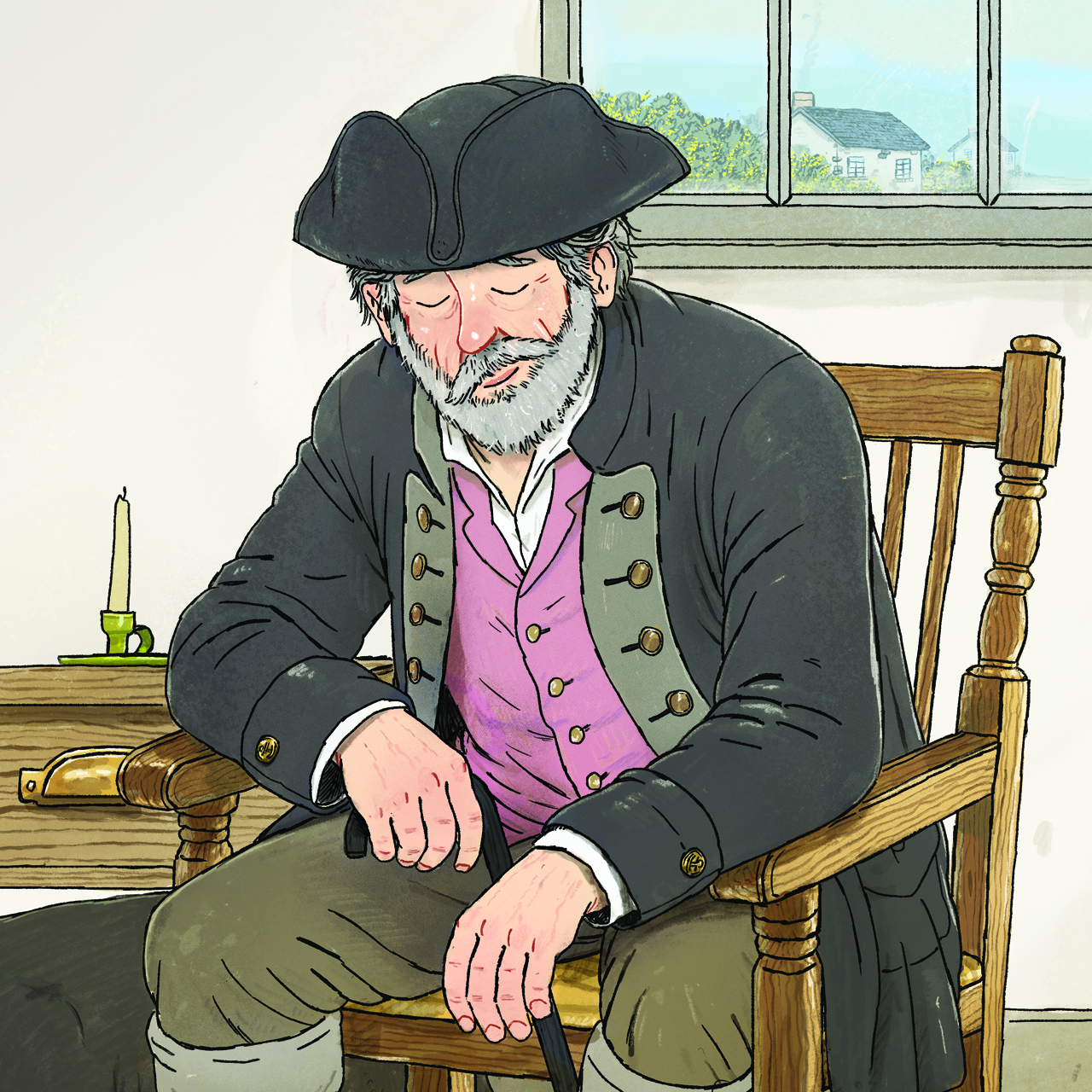
The life of a smuggler
I am now 74 years of age. When I first came to Mudeford, over 50 years ago now, it was a remote and wild region inhabited almost entirely by poor fishermen and farm labourers. Now the road between Mudeford and Christchurch is lined with elegant marine villas and lodging houses.
Haven House has recently been leased to the new Coast Guard Service and is home to men dedicatedly employed to prevent smuggling. On the beach where I once landed contraband there now stand bathing machines - little huts on wheels that enable the well to do to disrobe and sea bathe in private.
You might well ask if I regret my years as a smuggler. Naturally, I regret the deaths of William Allen and George Coombes, but I also regret the 20 years of my life in which I only infrequently saw my wife and family. I was absent when some of our children were baptised - and when some of them were buried.
I can personally attest that smuggling is not a certain path to wealth or contentment, for every penny I ever had by it is now gone and I will end my days in poverty. I barely survive on the small weekly payment I receive from the Parish Poor Relief and were it not for the support of my friends and family - especially my daughters Rose and Mary, who have forsaken marriage to look after me - I would now be in a most dismal condition.
Is this how you had imagined the life of a smuggler? I sometimes give thought to the true cause of my downfall. Was it William Parrott’s recklessness, the government’s immoderate customs duty, or my own wilful ambition and greed?
That is a question I will leave you to ponder for yourself as I bid you farewell.
Did you know?
When the Coast Guard was created in 1822 it consolidated about 3,000 men into a single well-disciplined organisation tasked primarily with guarding the coast against smuggling but also assisting to save lives from shipwrecks.
You can listen to the audio track for this trail spot below, or read the audio transcript.