Article by , Guest Author
Westover Road is a key location on our art deco trail and boasts a fabulous glimpse into the cultural history of Bournemouth. One such aspect of that history is the music scene that took over the town centre and drew in many famous names.
Bournemouth Pavilion
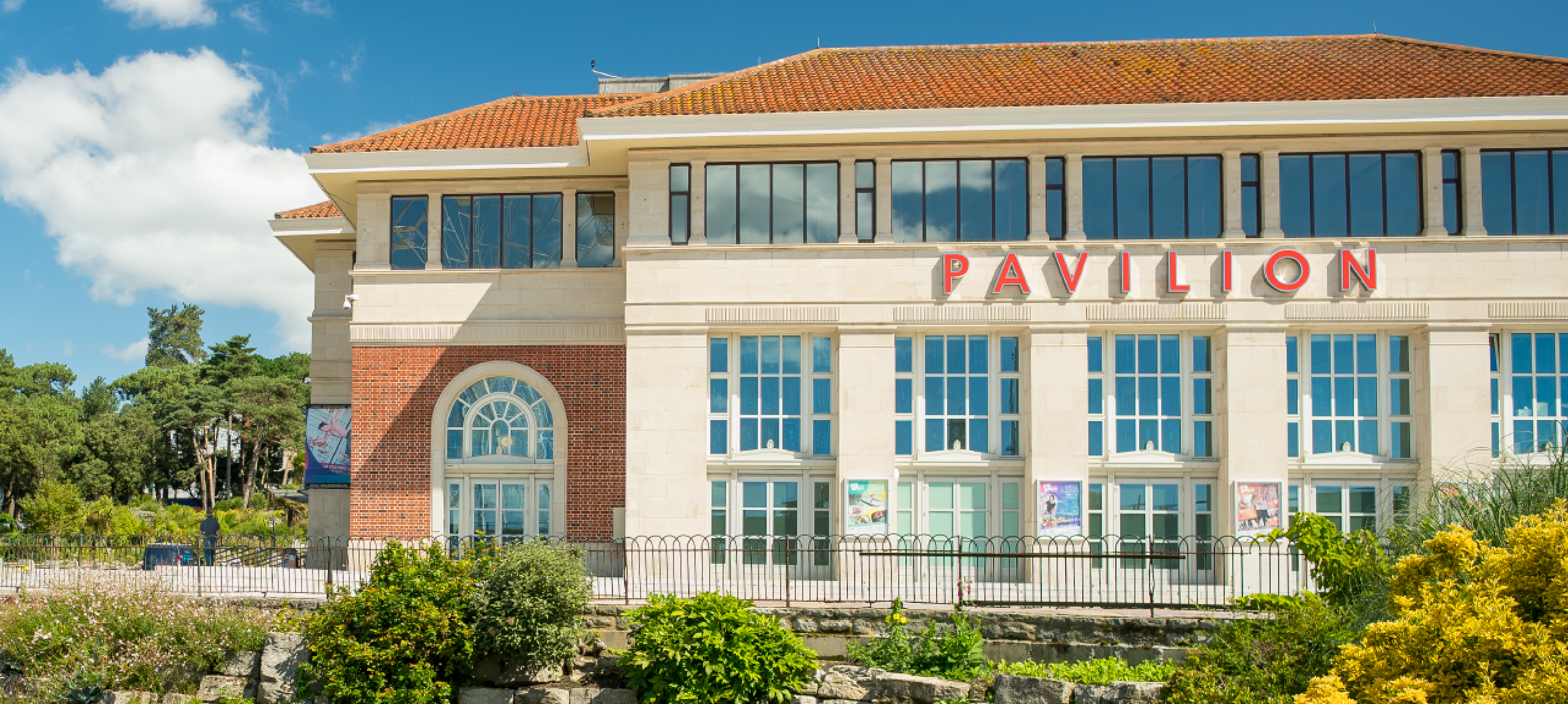
Opened in 1929 by the Duke of Gloucester, the Bournemouth Pavilion still stands as an entertainment hotspot in our seaside town. Designed by Wyville Holme and Shirley Knight, two young architects incorporating influences from their grand tour of Europe. Partly built on what used to be the Pier and Belle Vue Boarding House, the Pavilion cost only £250,000 to build and consisted of a concert hall to house the Municipal Orchestra, a Ballroom licensed for 1200, Ocean Room as a popular restaurant for 200, the Lucullus Room known as the French Restaurant, and Viking Bar facing Bournemouth Pier with many smaller rooms used as lounges. These smaller rooms were removed in 1934 to expand the stage, which allowed for large west end productions, musicals, ballet and opera to visit the town.
Big Beat Night
In 1961, the first ‘Big Beat Night’ took place in the Ballroom, organised by Jan Ralfini. Originally, only local groups performed, but by 1964 the new manager, Eddie Nunn, began to focus on drawing in younger crowds and bigger performers. These younger attendees were later named ‘Pavvi People’ and helped to encourage names such as The Who, The Kinks and The Nashville Teens, to play at the Pavilion between 1964-1967.
Despite many threats of closure due to financial issues, the Pavilion became a much-loved venue for the youth of Bournemouth and the surrounding areas. During these peak years, many crazy stories were reported, such as when The Who crashed a private function for a local band. After getting into the party, The Who used the local bands gear to perform an impromptu song, delighting many of those in attendance.
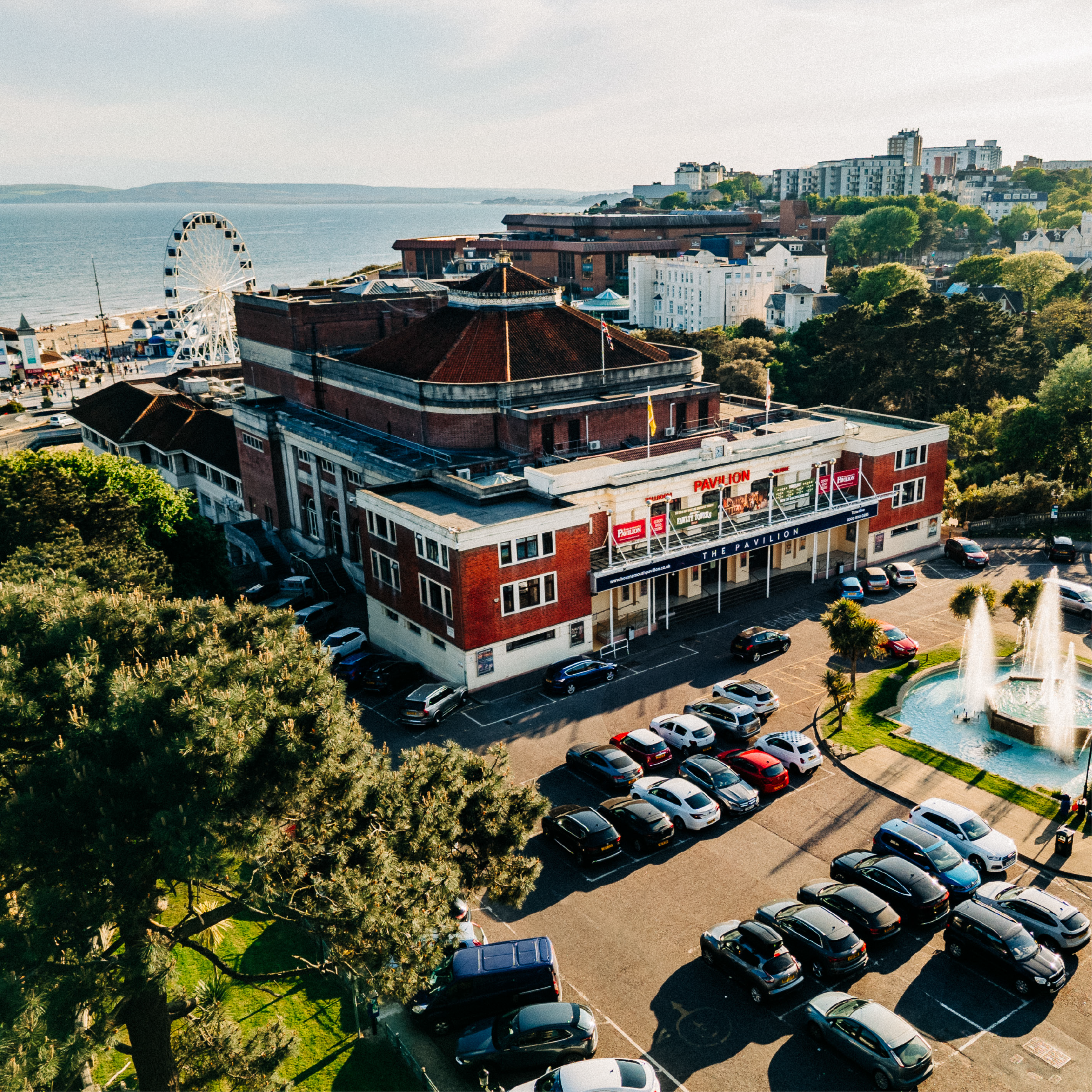
The Pavilion continues to represent the old nightlife of Bournemouth town, from its gorgeous art deco design to the many plays, comedy performances and live music experiences that occur almost nightly.
Top Rank Bowl
After the closure and demolition of The Firs villa, a large multi storey car park was built, boasting large commercial space on the ground floor. The first business to open in this location was the Top Rank Bowl, a bowling alley with thirty-two lanes and a bar. In 1970, Angelique Enterprises partnered with the bowling alley, removing twelve of the lanes and advertising it as a venue for live performances; the first band to perform here was the Scottish band, Marmalade. In addition to the bowling alley and music venue, a club and boutique were also opened, making the spot highly popular amongst the party-goers of Bournemouth. Though primarily a discotheque, a plethora of bands performed, such as: Hot Chocolate, American soul singer Eddie Floyd, and Jamaican ska artists Desmond Dekker and The Aces.
Top Rank Bowl became known as one of the top music venues in Bournemouth, leading to the removal of the remaining bowling lanes in order to make room for a stage. The student’s union took on a key role in the booking of performers, and the venue went through many rebrands in order to keep up with the ever-changing music scene. Acts ranging from rock, folk, punk rock and 2 tone visited the Bowl.
In 1980, less than two years after a costly refurbishment, a small notice appeared in the Bournemouth Evening Echo newspaper, stating that the venue would be closed until further notice. The venue never reopened, and other businesses in the car park's commercial space closed in 1983.
The car park still stands, and other businesses are now in place of where the once-iconic Top Rank Bowl stood. One of these new businesses, The Norwegian Wood Cafe, is a great spot for any music lover visiting Bournemouth, specifically for any Beatles fans. The Cafe boasts an array of Beatles paraphernalia and has a great playlist of classic oldie tunes to chill out to with a cup of coffee.
As you explore Bournemouth, its buildings still tell the story of its past. Don’t forget to look up as you explore! Set out on the Bournemouth Cultural Trail to discover the histories behind the buildings and spot things you may otherwise miss!