Article by , Guest Author
Robert Louis Stevenson was a Scottish poet, essayist, travel and fiction writer. He is best known for the classic Gothic novel The Strange Case of Dr. Jekyll and Mr. Hyde and the adventure novel Treasure Island. He lived in Westbourne, Bournemouth, from 1884 to 1887 in a house named ‘Skerryvore’…
Stevenson's Early Life
Robert Louis Stevenson was born on the 13th of November 1850 in Edinburgh, Scotland. Stevenson was born into a religious, middle-class family of civil engineers and lighthouse designers. From an early age, Stevenson struggled with serious respiratory issues and was often unable to attend school in his early years. Therefore, he was a late reader and struggled to fit in until his young adult years. During summer holidays as a child, Stevenson would visit a cottage his family rented in Swanston and found inspiration in the pastoral way of living. During his years studying at the University of Edinburgh, he would inspect his family’s engineering works, including a sea wall and lighthouse. The location where these inspections took place, that being Wick, would be included in his later travel writings.
After university, Stevenson began to take on a Bohemian appearance and outlook, he grew out his hair and was hardly seen in the conventional dress of the period. At the age of 22, Stevenson rejected the religion he was brought up in and began to mix with circles in the London literary scene – much to his father’s dismay. Stevenson began travelling, first for health reasons and next in search for creative inspiration. It was during these travels that he met his wife, Fanny Van de Grift Osbourne, a short-story writer with two children from a previous marriage. When Fanny returned to America with her children, Stevenson made the decision to join her, travelling first by steamship from Europe, and later by train from New York to California. This journey was later documented in The Amateur Emigrant (1885) and though it was inspirational for his writing, it destroyed his health, leaving him near death when he finally arrived.
Stevenson’s Connection to Bournemouth
After marrying Fanny 1880, he travelled with her and his now stepson, Lloyd, to Switzerland for his health. Here, he wrote Treasure Island (1883), which gave Stevenson his first taste of wide-spread popularity. He then settled with his family in Westbourne, buying a cottage which he named ‘Skerryvore’ after the lighthouse built by his uncle, Alan Stevenson. It was here that Stevenson became good friends with the novelist Henry James, known for writing The Portrait of a Lady (1881). James would visit the mostly bedridden Stevenson every day to share ideas, something that clearly had a great impact on Stevenson’s creative process. While living in Bournemouth, Stevenson revised and published one of his most-loved poetry collections, A Child’s Garden of Verses (1885), which beautifully portrays the sensation of recapturing child-like wonder, in addition to celebrating one's younger years and the simple joys of childhood.
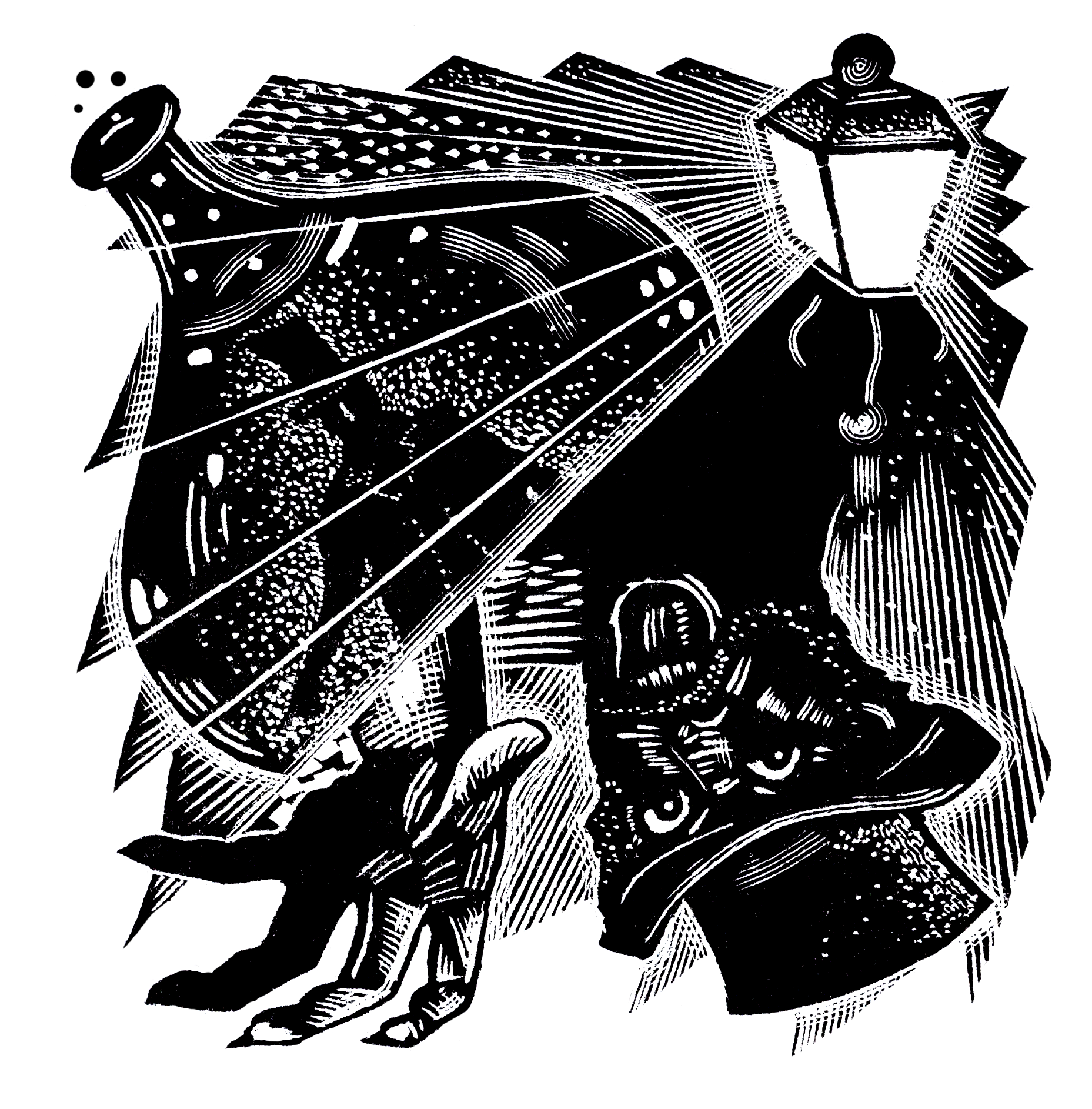
On a darker note, The Strange Case of Dr. Jekyll and Mr. Hyde (1886) was published a year after the aforementioned poetry collection, which familiarised Stevenson’s work with the ordinary reader. The gothic thriller narrative delves into the darker side of the mind, personifying it to create the infamous character, Mr. Hyde. The idea for the novella came from a dream and a first draft was written in three days, only to be cast into the fire when Fanny criticised it. The final draft was constructed over ten weeks and has gone on to inspire countless stage productions and over fifty motion pictures. As a final note on this work, the character Mr. Poole, Dr. Jekyll’s butler, is named after Bournemouth’s neighbouring town.
Death and Memory
After the death of his father in 1887, Stevenson and his family left Bournemouth, in search of a climate more beneficial for his poor health. The family journeyed to San Francisco, then travelled around the Pacific on a yacht for nearly three years. Stevenson immersed himself in the various cultures and developed a close friendship with the King of Hawaii during his extended stays there. The coastal air and more active lifestyle helped Stevenson’s condition for a time, and he was able to write approximately 700,000 words in his final years. During the final five years of his life, Stevenson and his family lived in Samoa, where he became a key member of the community and adopted the native name ‘Tusitala’, meaning ‘Storyteller’.
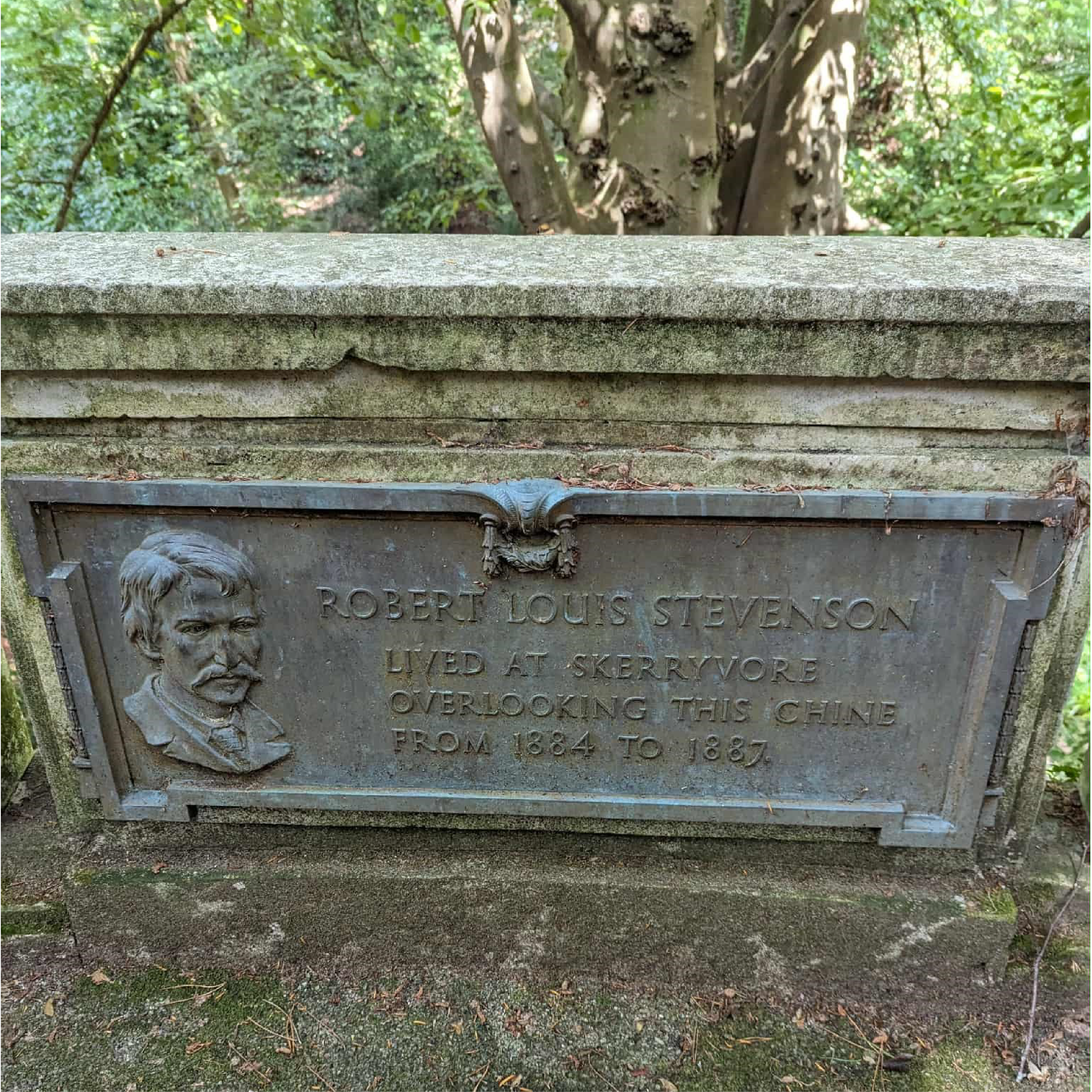
In 1894, Stevenson died of a suspected brain haemorrhage, not his lifelong tuberculosis. Memorials were put up for Stevenson in the United Kingdom, France, Samoa and the United States, showing just how far his eccentric writing and personality reached. The Skerryvore House was damaged by bombing in the Bournemouth Blitz and was later demolished. In 1957, a garden was constructed on Skerryvore’s grounds, and a stone model of Skerryvore lighthouse was erected in memory of Stevenson’s time here.
Robert Louis Stevenson, despite his lifelong battle with ill health, lived a fruitful life full of rich experiences. He sacrificed so much of his physical well-being to explore, learn and write about everything he came across. The Skerryvore Garden stands as a reminder of how far one can go when he puts his mind to it and of how lucky we are to have had him grace our little seaside town.
Visit Skerryvore as part of our Writers’ Trail. Walk the footsteps of the acclaimed author and other renowned writers with links to the Bournemouth, Christchurch, and Poole area.